Choosing the Right Rubber Extrusions Supplier

ELBEX • March 10, 2021

Rubber extrusions fulfill a wide variety of important functions in a wide variety of industries.  A high level of detail and planning is necessary for every project to ensure that, whatever the application may be, the extrusion will function reliably.  Here are some tips to help you determine which rubber extrusion supplier is right for you.

Experience

Because every industry’s needs are diverse as well as specific, you will want to choose a company that has experience in the many facets of rubber extrusions, especially customized extrusions.

Equipment

Technology changes and improves rapidly. You will want to be sure that your supplier uses state-of-the-art techniques and machinery to ensure that your extrusions will be of the highest quality and latest standards.

Expertise

You will want to choose a supplier that has a dedicated team of highly-trained experts in their field, that can help take your vision and turn it into a reality. You will want a supplier that knows the ins and outs of the various materials available and that can help you to choose the material that will work best in your specific application. 

ELBEX Edge

The ELBEX Corporation has more than 25 years in the business of designing and manufacturing custom rubber extrusions for clients around the globe. Our extrusions have served companies in numerous fields, including the automotive sector, appliance makers, water control projects, mass transit, and several others. Our team is dedicated to quality throughout the entire extrusion manufacturing process. We consistently follow the following quality assurance practices:

  • Incoming inspection of raw materials - allows for complete traceability
  • SPC inspection during production
  • 24 hour check
  • Certificate of Compliance

For more information on how ELBEX can work for you, contact us today.

By Melissa Nichols • October 29, 2026
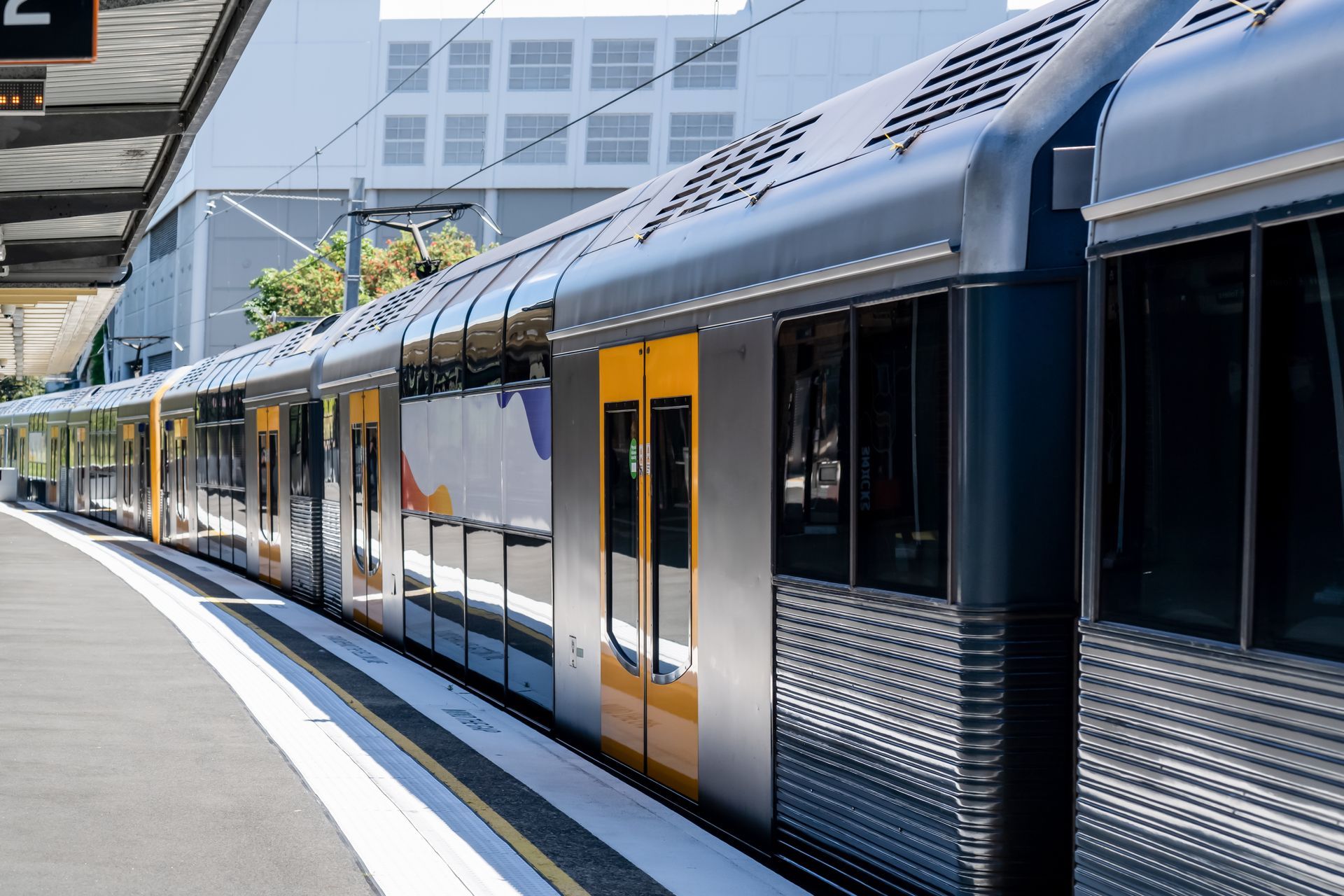
Modern public transportation systems experience round-the-clock demand. Millions of annual passengers, non-stop structural vibrations, and unpredictable weather are just a few of the challenges that can cause major wear and tear over time. In this demanding environment, elastomeric components such as mass transit rubber extrusions, train window gaskets, and durable bus door seals serve as true engineering heroes that keep vehicles quiet, dry, safe, and energy-efficient. At Elbex, our transportation rubber profiles engineered for vibration reduction and weather resistance are designed to help improve both passenger comfort and vehicle longevity. Here’s a closer look at why you should never overlook these critical rubber components. Engineering Vibration Reduction and Acoustic Comfort Continuous track movement, road chatter, and engine operation all cause ongoing vibrations that can degrade a vehicle’s structural integrity over time. Extruded profiles such as D-sections, U-channels and hollow tubing directly counteract this. By acting as shock-absorbing buffers that isolate panels, they prevent metal-on-metal rattles that contribute to wear and tear and interior noise that can bother passengers. By dampening even small micro-movements caused by ongoing vibrations, rubber extrusions prevent premature wear on a variety of critical internal systems, including electronics, lighting housings, and seating structures. Severe Weather Resistance and Environmental Barriers Buses and trains face harsh outdoor conditions every day. Rain, snow, intense UV exposure, and extreme temperature fluctuations can cause thermal expansion and contraction, as well as other forms of environmental wear. Rubber extrusions can once again come to the rescue. For example, bus window seals and train window gaskets form airtight and watertight barriers to stop moisture intrusion that might otherwise cause structural corrosion and interior mold. Thermal-insulating weatherstripping also supports climate control inside the vehicle, reducing energy consumption and helping keep the interior comfortable for riders. High-Durability Components Built for Daily Heavy Use Passenger entry points are a key example of mass transit components that undergo intense mechanical wear. Doors open and close thousands of times a week, all while experiencing heavy foot traffic. For these use cases, specialized rubber extrusions like bus door seals, protective edge trims, and impact-resistant bumpers go a long way in absorbing bumps and impacts from passengers and equipment alike. By using high-grade, low-compression-set compounds like EPDM and silicone, these extrusions can retain their sealing capabilities and elasticity over years of continuous use. Compliance, Safety, and Custom Engineering Transportation safety codes are paramount when manufacturing rubber extrusions for mass transit. Elastomers must meet stringent transportation safety codes, including flame, smoke, and toxicity (FST) regulatory requirements. At Elbex, we collaborate directly with transit engineers to ensure the right materials are used for each application, and that our custom profiles are perfectly tailored to your vehicle’s geometries and channel dimensions. This helps avoid the premature failures that often occur with generic parts. In addition, our ISO 9001:2015 certified manufacturing process and in-house tooling capabilities allow us to guarantee dimensional accuracy and consistent quality, even across high-volume production runs. No matter the size of your project, you can expect consistent quality from Elbex. By investing in superior mass transit rubber extrusions, you can protect your mass transit infrastructure, drastically reduce maintenance-related downtime, and ensure a comfortable ride for your passengers. Contact us today to request a quote or discuss custom profile needs for your transit project.

By Melissa Nichols • October 22, 2026
An exposed metal edge at your facility may not seem like a big deal at first. But a single impact against this type of surface can be surprisingly costly, resulting in costly equipment damage, workplace injuries, or structural repair expenses. Because of this, low-profile rubber bumpers and edge protectors can quickly become the most cost-effective line of defense for your facilities, vehicles, equipment, and people. Here’s a closer look at how integrating specialized rubber bumpers and rubber edge trim offer valuable protection against accidents and everyday wear and tear. The Mechanics of Impact Absorption with Rubber Bumpers Rubber bumpers are perfectly suited for absorbing impacts because the elastomeric compounds used in rubber bumpers deform under stress. This allows them to absorb and distribute the kinetic energy of the impact, rather than simply transferring that energy to the underlying structure. High-durability materials like EPDM and neoprene are especially effective at preventing abrasion, outdoor weathering, and compression set, even over millions of impact cycles. By installing rubber bumpers on vulnerable areas like machinery doors, loading docks, and automated equipment, you can prevent metal-on-metal impacts that cause structural fatigue, operational noise, and other issues. Shielding Assets and Personnel with Rubber Edge Trim Edge protection profiles provide much-needed safeguards by sliding securely over sharp sheet metal, glass, or hard plastic borders. This rubber edge trim provides a cushioned buffer that protects the substrate’s edges against chips, gouges, and scratches. Rubber edge trim also eliminates potential safety hazards that could come from handling the materials. Depending on the application, the rubber trim can also create an airtight, moisture-resistant barrier (perfect for protecting sensitive internal electronics on industrial machinery). Multi-Industry Applications and Real-World Value Rubber bumpers and edge trim offer real-world value in a wide range of applications. For example, in manufacturing and logistics, bumpers are used on forklifts, carts, and conveyor systems to protect against costly collisions. In the automotive world, custom edge trims are used for everything from bus doors and vehicle hatches to engine compartments, where they can also absorb vibrations and secure components. Heavy-duty bumpers and edge guards can be found in infrastructure and marine settings, protecting piers, loading bays, and commercial boats from water movement and heavy impacts. Custom Extrusion vs. Off-the-Shelf Options For these heavy-duty applications, a custom extrusion will always be better suited for the job than an off-the-shelf option. Generic extrusions often fail prematurely due to improper sizing, poor track-channel fit, or incorrect compound selection. On the other hand, with Elbex’s custom extrusion capabilities, we can engineer precise profile shapes (including D-sections and hollow bulb designs) to guarantee a perfect fit. With ISO 9001:2015 certification, we also practice rigorous quality control, including in the material selection process, to ensure your components perform as expected from day one. Bumpers and edge guards are relatively low-cost components, but they can deliver a massive return on investment by helping to prevent collision-related downtime and equipment replacements. Contact us today to get a custom quote for specialized extrusions for your facility and equipment.
By Melissa Nichols • October 15, 2026
Bringing a specialized rubber profile to market is no easy task. Unexpected delays, escalating costs, and communication gaps are all too common with suppliers that outsource their tooling to third-party shops. This is where partnering with an experienced in-house rubber extrusion tooling manufacturer like Elbex can make a difference. In-house tooling for custom rubber extrusions makes a very real difference for quality control, lead times, and overall project execution. From custom rubber extrusions tooling and rubber extrusion die design to rubber extrusion tooling for complex profiles, doing this work in-house can go a long way in getting the outcomes you need. Eliminating Delays with In-House Tooling First, using a fully integrated tooling facility eliminates the bottlenecks that can occur when this crucial step is outsourced. Relying on our in-house tooling capabilities eliminates lengthy lead times, potential shipping delays, or misaligned specifications, all of which can occur with outsourcing. With die makers and extrusion engineers under one roof, our team can quickly move from approving the initial design to physical tooling creation and line setup. This can save weeks of development time for your extrusion project. The Art and Science of Custom Die Design Keeping tooling in-house also keeps us aligned with the material science that goes into custom rubber extrusion die design. Uncured rubber can swell, shrink or shift differently depending on the specific compounds used, its durometer, and the curing process itself. We combine this material knowledge with advanced custom die design capabilities. Our engineers take material flow characteristics and other factors into consideration when designing the die geometry so the finished pieces meet specifications. With this approach, our team gets dies right the first time, instead of needing to take a trial-and-error approach. You can have confidence that the finished extrusions will meet Rubber Manufacturers Association (RMA) tolerances and other required specifications. Mastering Rubber Extrusion Tooling for Complex Profiles At Elbex, our extensive experience allows us to develop non-standard die configurations for a wide range of extrusions that can’t be made with standard dies. Examples include multi-hollow tubes, delicate bulb seals, co-extrusions, and intricate dual-durometer shapes. Our specialized rubber extrusion tooling for complex profiles ensures that even with challenging designs, you’ll get sound structural stability, proper wall thickness, and uniform cure line performance. This experience also enables our in-house toolmakers to provide immediate hands-on adjustments to the dies if we recognize a need for fine-tuning during initial line trials. This helps avoid the costly reset loops that often occur with outsourcing. Lifetime Quality Control and Cost Efficiency Dedicated custom rubber extrusion tooling leads to real long-term savings. You don’t have to worry about hidden re-tooling fees or other markup costs. Even more importantly, we inspect, clean, and maintain all client tooling in-house, preventing wear-and-tear to ensure that future orders will have the same dimensional accuracy as your first order. Our ISO 9001:2015 certification means we bring complete internal control over tooling to meet strict quality standards. In-house die development can be a real competitive advantage for your project, thanks to faster turnaround times, lower long-term costs, and unmatched manufacturing precision. Submit your drawings or samples today to get a quote and learn how our custom tooling services can help your next project.